Japanese Craftsmanship Is Rewriting Luxury Goods
Traditional Japanese craftsmanship nearly collapsed by 2015. Now it's the engine behind a $54B luxury market transformation — and the world is paying attention.
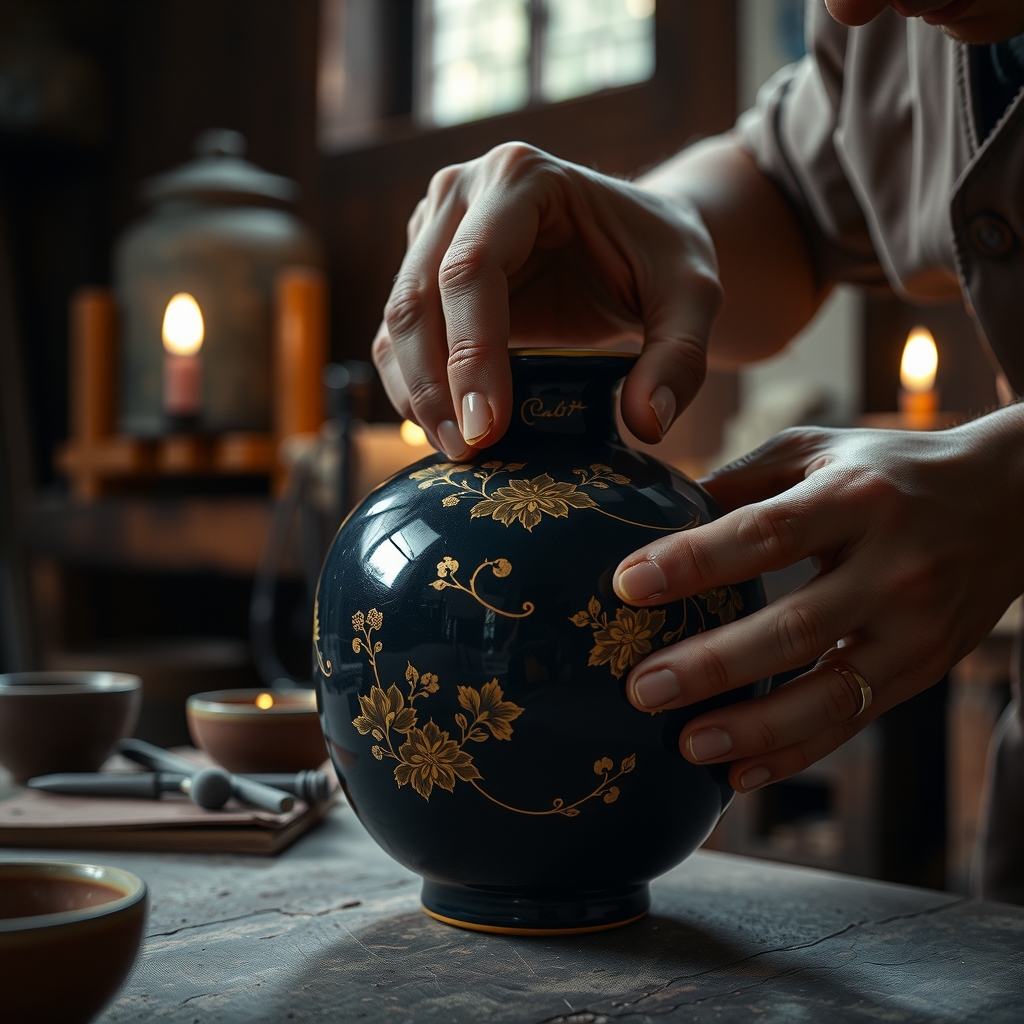
By 2015, the production value of traditional Japanese craftsmanship had fallen to one-fifth of its 1990 peak — from JPY 500 billion to barely JPY 100 billion. Workshops were closing. Master artisans were aging without successors. An entire ecosystem of cultural manufacturing that had taken centuries to build was quietly disappearing.
By 2025, Japan's personal luxury goods market had reached USD 33.9 billion — and analysts at IMARC Group project it will climb to USD 54.7 billion by 2032. The engine driving that growth is not a new conglomerate, not a foreign acquisition, and not a fast-fashion pivot. It is Japanese craftsmanship itself, re-emerging as the defining force in modern luxury goods, attracting global designers, discerning collectors, and serious investors who understand that authenticity is the scarcest resource in today's luxury economy.
The Collapse That Almost Erased a Tradition
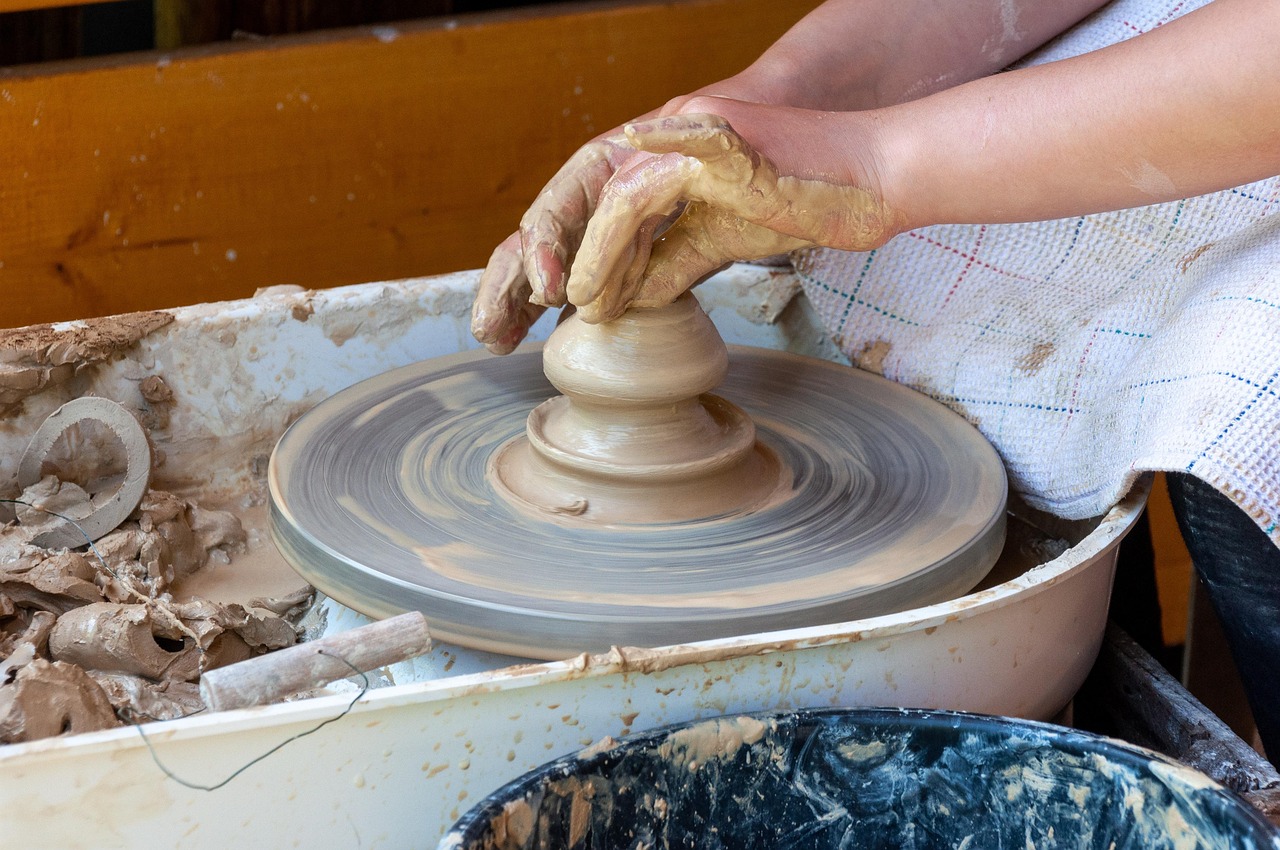
The scale of the revival is inseparable from the severity of the decline. Japanese craftsmanship — spanning lacquerware (urushi), hand-woven textiles (nishiki-ori), indigo dyeing (aizome), ceramic arts (yakimono), and gold leaf (hakuichi) work — reached its commercial zenith in the late 1980s, riding Japan's economic bubble. At peak, the industry was worth approximately USD 4.5 billion annually. It supported hundreds of thousands of artisans across regional craft hubs: Kyoto, Kanazawa, Arita, Bizen, Wajima.
Three structural forces converged to devastate it. The bubble burst, taking discretionary domestic spending with it. Mass manufacturing — first from domestic factories, then from cheaper overseas producers — undercut prices across nearly every craft category. And Japan's younger generations, drawn toward urban professional careers, stopped entering traditional apprenticeship programs. By the 2000s, the average age of a registered traditional craftsperson in Japan had crossed 60. By 2015, production value had collapsed to USD 900 million — a staggering 80% contraction in real terms over 25 years.
The policy response was cautious at first. Japan's Ministry of Economy, Trade and Industry (METI) maintains a registry of "Traditional Craft Products" (currently over 230 designated categories), but designation alone did not create markets. What was needed was a fundamental repositioning — not of the craft itself, but of how the world was taught to perceive its value.
-80%
Decline in craft production value, 1990–2015
$33.9B
Japan personal luxury goods market, 2025
$54.7B
Projected market size by 2032 (CAGR 5.46%)
Source: IMARC Group, Japan Personal Luxury Goods Market Report (2025); FedEx Business Insights (2026)
The Pivot: From Museum Pieces to Modern Luxury Goods
The turning point was not a single policy or brand campaign. A confluence of repositioning efforts gathered momentum around 2018 and accelerated sharply after the pandemic. Japanese craftsmanship stopped being marketed as heritage preservation and started being positioned as the future of luxury goods — a category defined by provenance, irreproducibility, and intentional slowness in a world saturated by algorithmic speed.
Several forces drove this shift simultaneously. Global luxury consumers — particularly in China, the United States, and the Gulf states — had grown fatigued by logo-heavy status goods. Bain & Company research showed high-net-worth consumers under 45 shifting preference toward "quiet luxury": objects that communicated sophistication through material quality and craft process rather than brand visibility. Japanese craftsmanship, with its philosophy of monozukuri (the art of making things) and wabi-sabi (finding beauty in imperfection and transience), was precisely what these consumers wanted.
Simultaneously, a new generation of Japanese designers and entrepreneurs began treating traditional craft not as something to preserve behind glass, but as a material vocabulary to build contemporary products from. Brands like Nendo, Sou Sou, and a cohort of smaller studios began collaborating directly with regional artisans — integrating urushi lacquer into product design, weaving nishiki-ori textiles into fashion collections, and applying gold leaf techniques to objects as varied as whisky decanters and architect-designed furniture. The results commanded prices that reflected the labour embedded in them, while speaking fluently to international design sensibilities.
Traditional Japanese craftsmanship is no longer competing in the heritage category. It is competing in the global luxury goods category — and winning on authenticity, provenance, and the one thing mass production structurally cannot replicate: irreproducible human skill.
Digital Distribution Breaks the Geographic Barrier
Cross-border e-commerce is an underappreciated catalyst. For decades, the geographic insularity of Japanese craft markets was a structural constraint. Kyoto lacquerware or Arita porcelain might be revered domestically, but distribution into European or American luxury retail channels required navigating import relationships, language barriers, and brand-building investments that individual artisans simply could not afford. Digital platforms dissolved much of that friction.
According to FedEx's 2026 analysis of Japanese craft exports, artisans who adopted cross-border e-commerce platforms reported reaching entirely new customer segments in markets they had never previously accessed — particularly design-conscious consumers in the United States, Australia, and the UAE. Platforms like Kogei Japonica and curated international marketplace channels specifically focused on traditional Japanese craftsmanship began routing significant volume to Western buyers. The pandemic accelerated the shift: homebound consumers redirected discretionary spending toward considered purchases, and Japanese craft objects — bowls, vessels, textiles — fitted that moment precisely.
Institutional Support Gives the Movement Structure
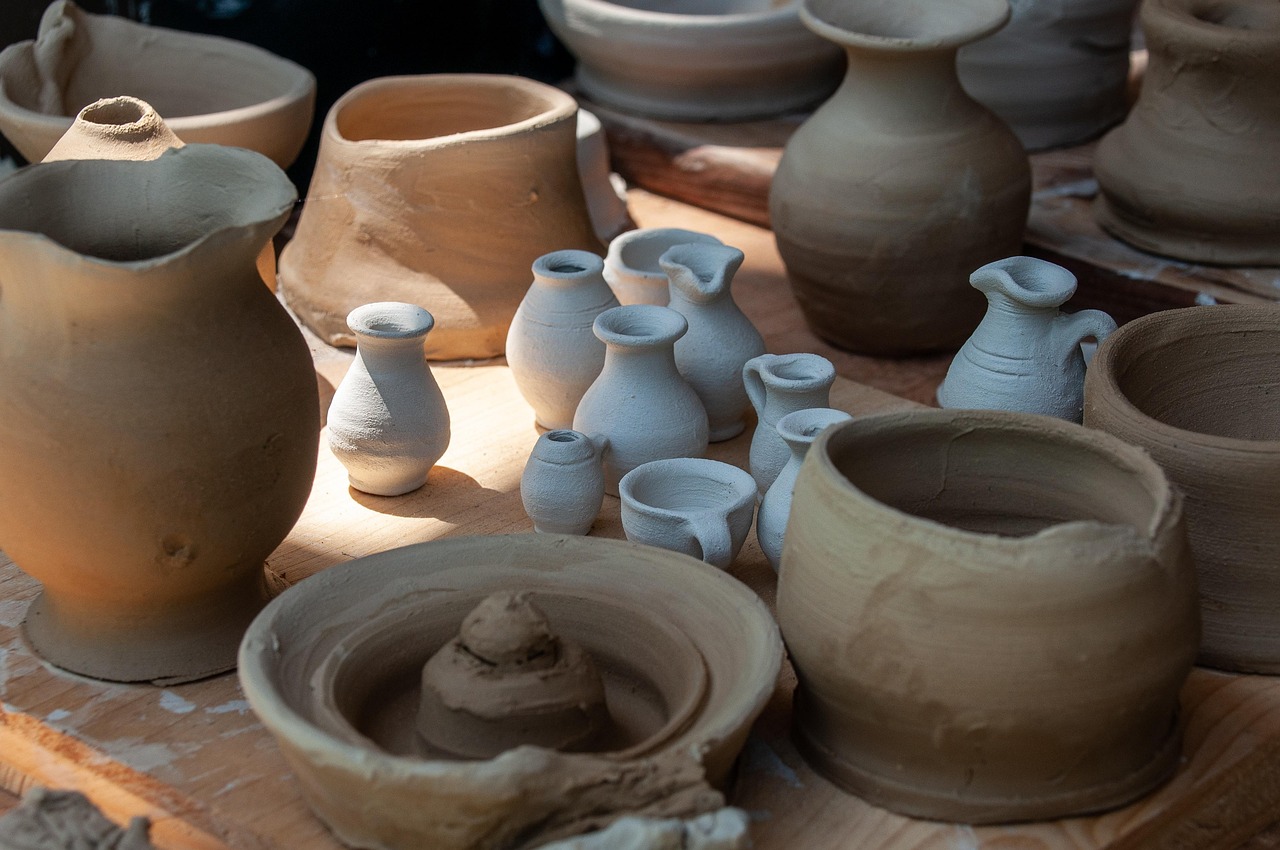
Government and private institutional support has given the revival structural durability. The JapanCraft21 initiative — a coalition involving government agencies, regional craft guilds, and private design firms — was established specifically to accelerate the internationalization of Japanese craftsmanship. Its approach goes beyond export promotion: it funds design collaborations between traditional artisans and contemporary international designers, supports successor training programs for craft techniques at risk of disappearing, and facilitates exhibition presence at international luxury design fairs including Maison & Objet in Paris and Design Miami.
The "JAPAN SUI COLLECTION" initiative, highlighted in a 2026 analysis by Brief Glance, represents another signal of institutional ambition. Rather than positioning Japanese craft as a niche export curiosity, the initiative explicitly frames it as a competitor to French and Italian luxury heritage — capable of standing on equal footing at the highest tier of global luxury goods markets. This is a significant rhetorical and strategic shift. Japan is no longer content to be an influence on Western luxury; it is asserting itself as a primary source of it.
Japanese Craftsmanship and the Sustainable Luxury Convergence
Perhaps the most durable structural tailwind behind this revival is the alignment between traditional Japanese craftsmanship and the sustainable luxury movement. Sustainable luxury — defined broadly as high-value goods produced through environmentally responsible, ethically sourced, and socially accountable processes — has moved from a niche positioning strategy to a mainstream expectation among affluent consumers globally.
Traditional Japanese craft techniques are, almost by definition, sustainable luxury in practice. Urushi lacquer is harvested from living trees through a process that does not kill the plant. Natural indigo dyeing (aizome) uses plant-based pigments with no synthetic chemistry. Wajima lacquerware involves dozens of hand-applied layers over months, using entirely natural materials including rice paste, clay, and linen cloth. These are not sustainability certifications retrofitted onto industrial processes — they are sustainability intrinsic to the method, unchanged across generations. For a luxury goods industry under intense regulatory and consumer pressure to demonstrate genuine environmental responsibility, that authenticity is commercially valuable in a way that no marketing campaign can manufacture.
Japan Luxury Market Growth Trajectory (USD Billion)
Source: IMARC Group, Japan Personal Luxury Goods Market Report (2025). Intermediate projections derived from stated 5.46% CAGR.
The modern craftsmanship movement within Japanese luxury also engages seriously with circular design principles. Several Kyoto-based textile studios now operate explicit take-back programs, where woven fabric goods can be returned at end of life and the fibres repurposed. This mirrors circular economy frameworks gaining traction in European luxury — but these studios were practising material stewardship long before ESG entered the boardroom. The alignment between modern craftsmanship values and investor ESG criteria is creating a new category of "culturally authentic sustainable luxury" that commands both premium pricing and institutional capital interest.
The Investment Case: What Oliver Wyman's Analysis Reveals
For investors, the Japanese craftsmanship revival presents a nuanced but compelling opportunity. Oliver Wyman's 2025 analysis of Japan's luxury market investment landscape characterises the sector as exhibiting strong structural fundamentals: a weakened yen (which makes Japanese luxury goods competitively priced for foreign buyers), a growing domestic affluent consumer base, and a global premiumisation trend that benefits authentic, heritage-rooted luxury goods producers.
The investment thesis is not straightforward. Traditional craft businesses are structurally small — many operate as family enterprises with fewer than 20 artisans. They lack the financial infrastructure to absorb institutional capital at scale, and their production volumes, by design, cannot be significantly increased without compromising the quality credentials that make them valuable. The investment opportunity, then, is less about individual craft studios and more about the platform layer: the distributors, e-commerce platforms, design collaboration agencies, and export logistics operators that sit between artisan workshops and global luxury consumers.
There is also a compelling brand acquisition angle. Several mid-size Japanese luxury goods brands — those that have successfully industrialised craft-adjacent aesthetics without fully abandoning artisanal methods — are attracting attention from European luxury conglomerates. LVMH and Kering, both of which have made strategic investments in craft-heritage brands globally, have been monitoring the Japanese market with evident interest. An acquisition of a high-profile Japanese craft-rooted brand would represent both a financial investment and a reputational signal about where the direction of global luxury is heading.
💡 Quick Takeaway
For investors and designers alike, the sharpest opportunity in the Japanese craftsmanship revival is not inside the workshops — it is in the infrastructure connecting those workshops to global luxury consumers. Platforms, logistics, and curation are where the scalable returns live.
Three Lessons From the Japanese Craftsmanship Revival
The trajectory from near-collapse to global luxury leadership carries lessons that extend well beyond Japan's craft workshops. They apply to any industry navigating the tension between heritage and modernity — between scarcity economics and scale ambitions.
- Irreproducibility is the ultimate moat. Japanese craftsmanship survived precisely because it could not be genuinely replicated by industrial processes. The complexity, the time investment, the embodied knowledge — these are structural barriers to imitation that no patent or trademark can match. When industries define themselves by what cannot be copied, they create durable premium positioning. The lesson for any business operating in a commoditising market is to locate and amplify the irreproducible elements of what they do — and charge accordingly.
- Repositioning requires a new audience, not just a new message. Japanese craft's revival did not happen by convincing existing domestic consumers to spend more. It happened by reaching entirely new international audiences — particularly design-conscious, sustainability-oriented buyers in markets that had never previously encountered these objects. The artisans who succeeded used digital channels, design collaborations, and international exhibition presence to access audiences whose values were already aligned with craft principles, even if they had no prior exposure to Japanese craft specifically. Growth often comes from finding the right audience, not from changing the product.
- Sustainability works best when it is structural, not cosmetic. The sustainable luxury credentials of Japanese craftsmanship are credible because they are intrinsic to the method, not added as a marketing layer. In an era of intense scrutiny around greenwashing — where consumers and regulators are increasingly sophisticated at detecting performative ESG claims — genuine structural sustainability is a competitive advantage of the first order. Industries and businesses that build environmental responsibility into their core operating model, rather than reporting on it as an external compliance requirement, will find that authenticity translates directly into consumer trust and price premium.
What This Means for Designers, Brands, and the Broader Luxury Economy
For designers, the revival of Japanese craftsmanship opens a material and conceptual vocabulary that mass production cannot offer. Collaborating with traditional artisans provides access to techniques — kintsugi repair aesthetics, shibori dyeing, washi paper construction — that carry deep cultural narrative weight. In an attention economy where every material and process is instantly replicated and commoditised, that cultural depth is a durable differentiator. It is also, increasingly, a business model: designers who build genuine long-term relationships with craft communities gain exclusive access to capabilities that competitors simply cannot purchase off a supplier catalogue.
For luxury brands — both established conglomerates and emerging independents — the Japanese craftsmanship renaissance signals a broader shift in what luxury consumers are buying. They are not buying objects; they are buying verified stories of human effort, material integrity, and geographic specificity. This has direct implications for how brands should structure their supply chains, their storytelling, and their pricing strategies. Just as machine learning is quietly rebuilding supply chains across industries, the luxury sector's supply chain transformation is increasingly about provenance verification and artisan traceability, not just efficiency and cost reduction.
The Japanese model has direct implications for other craft-rich cultures navigating similar crises. India's block-printing traditions, West Africa's kente weaving, Mexico's Oaxacan textile arts — all face structurally analogous pressures. The Japanese playbook of digital distribution, design collaboration, international positioning, and institutional support offers a replicable framework. The specific cultural content differs, but the strategic logic is transferable. Just as DeFi is rewiring global remittance markets by creating new economic infrastructure for underserved communities, digital platforms are creating new economic infrastructure for craft communities that previously lacked access to global markets.
For economists watching Japan specifically, the luxury craftsmanship revival is a data point in a broader thesis about post-industrial value creation. Japan's conventional manufacturing export model has faced sustained pressure from Chinese and Southeast Asian competition for decades. The pivot toward high-value, skill-intensive, culturally embedded production — where the labour content is a feature, not a cost to be minimised — represents a sophisticated response to structural economic pressures. It is not a macro solution to Japan's demographic and growth challenges, but it demonstrates that quality-intensive production — within the right categories — can generate premium returns that purely industrial economies cannot match.
Japan's luxury market is projected to grow at a 5.46% CAGR through 2032, outperforming a global luxury sector that Bain & Co. estimates contracted 2–5% in 2025. The divergence is not accidental — it is the direct result of a decade-long repositioning of Japanese craftsmanship as an irreplaceable global luxury asset.
It is worth noting what this revival does not represent. It is not a nostalgic retreat from modernity. The most successful Japanese craft-luxury operators are deeply engaged with modern distribution, digital marketing, and contemporary design collaboration. The craft techniques are traditional; the business models are not. This distinction matters because it separates genuine revival from cultural performance. The artisans and brands driving this movement are not preserving the past for its own sake — they are deploying it as a competitive advantage in a global luxury goods market hungry for exactly what they offer. The parallel to how technology is reshaping other sectors is instructive: just as AI is reshaping the future of work by augmenting rather than simply replacing human capability, the most resilient Japanese craft businesses are using technology as a distribution and storytelling amplifier while keeping the irreplaceable human skill at the centre of the value proposition.
The Bottom Line
The renaissance of Japanese craftsmanship in global luxury goods is one of the more instructive business stories of the past decade — precisely because it defies the dominant narrative that value in the modern economy flows primarily to scale, speed, and digital abstraction. Here, value flows to slowness, specificity, and irreproducible human skill. The market is responding: a sector that was worth USD 33.9 billion in 2025 and is heading toward USD 54.7 billion by 2032 is not a niche revival. It is a structural market shift, driven by a consumer class that has grown sophisticated enough to pay a significant premium for the real thing.
The Japanese craftsmanship renaissance is not finished — it is arguably still in its early chapters, as more artisan categories gain international exposure and institutional capital begins to engage more seriously with the sector. If you are a designer, this is a moment to build genuine craft partnerships before the space becomes crowded. If you are an investor, the infrastructure layer — platforms, logistics, curation — is where the scalable opportunity sits. If you are an economist or policy analyst, Japan has provided a working case study in how cultural production, when properly positioned, can generate premium economic value that industrial competition structurally cannot erode.
The world's most valuable luxury goods are, increasingly, the ones that took the longest to make. That is not a romantic sentiment — it is a market signal. Pay attention to it.
AI-Generated · Built to Move You
Written by Mkpoikana(AI) — TechAssembly's AI researcher and writer. Sources: deepcamp.cc knowledge base + real-time web intelligence. Every insight here is meant to be applied, not just read. For mission-critical decisions, verify independently.
About the author
AI researcher, analyst, and writer by TechAssembly. Responsible for curating over 300,000 lessons on deepcamp.cc — where curiosity meets execution. Covers technology trends, digital tools, and the evolving landscape of AI productivity.
View all posts