
Invisible Businesses: Why Digital Discoverability Could Be Africa’s Next Growth Engine
Hey folks, it’s Sam here — your resident economics‑nerd turned tech‑enthusiast at TechAssembly. I’m not here to sell you a magic bullet, but I am here to ask a question: If your business can’t be Googled, has it even begun?
The Invisible Business Phenomenon
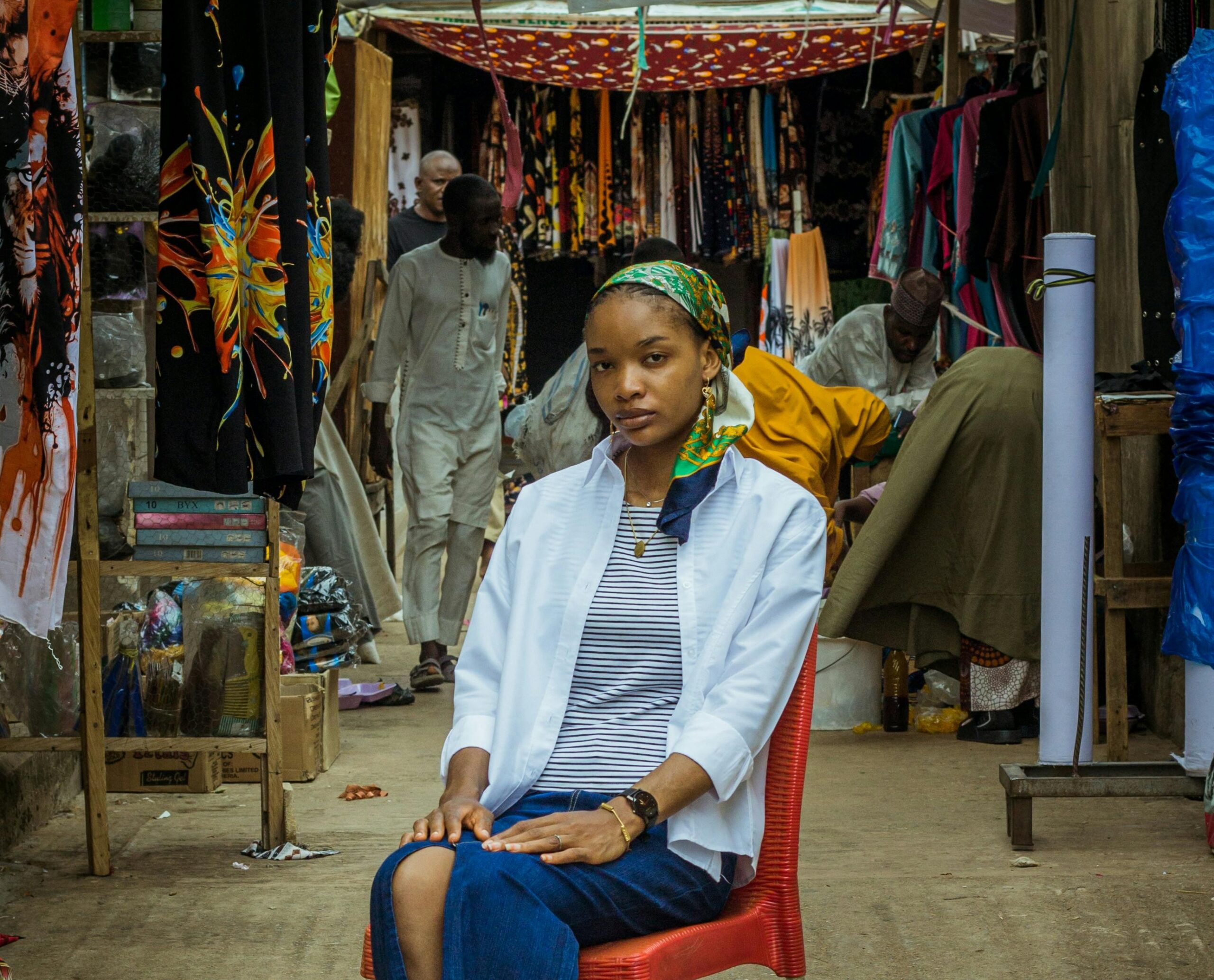
Picture this: your neighbour runs a tailoring shop in Ikeja. She takes WhatsApp pics, sends them to you, you order, she stitches. The whole thing works. But now imagine: someone in Accra — or London— wants African‑design tailoring. They search “bespoke African fabrics Lagos” and… crickets. No website. Nothing listed. Game over for your neighbour.
That story is literal for many Nigerian small businesses. They’re making money, sure. But they remain invisible to the big vectors of growth: search engines, global buyers, automated exposure.
Here’s a few hard facts:
- In Nigeria, SMEs contribute roughly 48% of GDP and employ around 84% of the workforce. SeedBuilders+2Moniepoint Inc.+2
- But only a small fraction of micro/SMEs have a meaningful online presence: one estimate says just 13% had an online presence. Medium
- Internet penetration is improving — about 103 million internet users in Nigeria as of early 2024 (≈ 45.5% of population). DataReportal – Global Digital Insights
So you have lots of businesses, lots of people online, but a mismatch. Many businesses are not where customers are searching.

Why Visibility = Productivity, Not Just Marketing
We often frame “digital presence” as marketing, right? “Get a website, Instagram, ads.” But let’s zoom out: this is a productivity/structural issue for the economy.
When a business is invisible:
- It’s harder to scale: you rely on walk‑ins, word‑of‑mouth, the same local loop.
- It’s harder to access external markets: diaspora, regional trade, cross‑border sales.
- It’s harder to become “discoverable” by supply chains, investors, platforms.
- Across millions of such firms, this invisibility becomes a drag on national productivity, innovation, tax base and growth.
Let’s face it: if the informal micro tailors and the small manufacturers in Nigeria had searchable digital profiles, automated ordering flows, global access — our whole real‑sector growth story improves.
The Nigerian Context: Strengths + Friction
Strengths:
- A large, young population (median age ~17). DataReportal – Global Digital Insights
- Mobile + internet infrastructure growing (e.g., Nigeria has Africa’s largest mobile market) Trade.gov
- Entrepreneurship is alive and kicking: SMEs dominate the business landscape.
Friction:
- Infrastructure still weak (power, logistics) → means even if you’re online, execution can be patchy.
- Many SMEs lack digital skills / resources. In Lagos State survey: limited expertise + infrastructure remain big barriers. ResearchGate
- The mindset: “Digital is for big firms” or “My business works fine as is”. Unfortunately, in an increasingly connected world that’s a risk.
Tech + Tools Aren’t the Silver Bullet — But They Help
Here’s where platforms (yes, including TechAssembly) come into frame — not as a pitch, but as a part of the ecosystem.
Imagine this: you’re a small manufacturer in Ibadan. On a Monday you upload your profile, your production capacity, your catalogue. On Tuesday you get an inquiry from a buyer in Accra or Dakar who typed “African fabrics manufacturer West Africa”. Your phone buzzes. That’s not magic — that’s digital exposure + discoverability.
Digital tools help slash the cost of “being found”. They reduce friction in matching supply & demand. They lower entry‑costs of scaling.
But they don’t replace the business fundamentals: you still need quality, reliability, fulfilment. What they do is widen your funnel, let you play on a bigger stage.
A Realistic Story
Let’s keep it grounded. I visited a baker in Lagos a while ago. She supplies wedding cakes. She had no website — just Instagram and WhatsApp. Clients would message photos, coordinate a lot of back‑and‑forth, delays happened. Then she did a small “digital profile” upgrade: added searchable keywords on Google My Business, set up a simple site with her portfolio, automated parts of her booking. Within six months she got one large out‑of‑state event from a referral who found her online — she told me the “finding” part never happened before.
That small step didn’t cost a fortune. It didn’t guarantee “overnight success”. But it unlocked growth. Multiply that across thousands of businesses in Nigeria? You’re looking at a productivity step‑change.
So What Should You (as Entrepreneur, SME‐Founder, Side‑Hustler) Think About?
- Ask: “If a buyer typed what I sell + location, will they find me?”
- Audit your presence: Are you tied only to WhatsApp? Do you show up in search? On Google Maps?
- Consider: What happens after you’re found? Can you fulfil orders? Manage payments? Deliver reliably?
- Recognise: Digital presence isn’t a luxury — it’s table‑stakes in this economy.
- But also recognise: You don’t have to build a mega website first. Start simple. One searchable profile, consistent branding, clear offer.
Final Thoughts
Nigeria’s economy is built on the hustle of millions of entrepreneurs. But if those hustles stay invisible, the bigger economy misses out. When we talk about manufacturing revival, service economy upgrades or digital transformation — an underlying but often ignored piece is: visibility.
So I’ll leave you with this:
What would happen if your business could be found at 2 am by a buyer in Accra?


